
Description
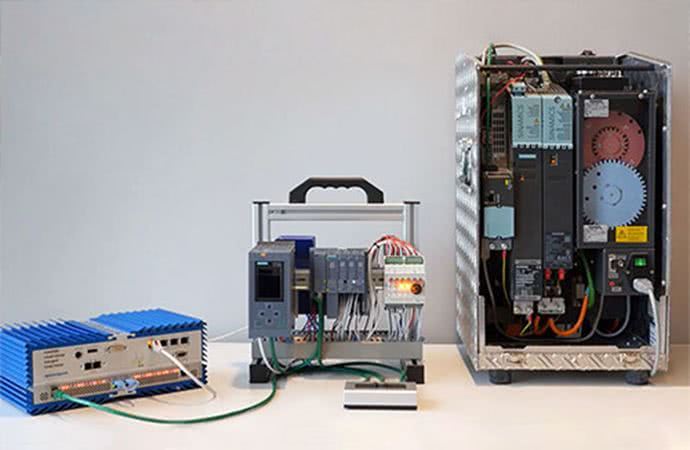
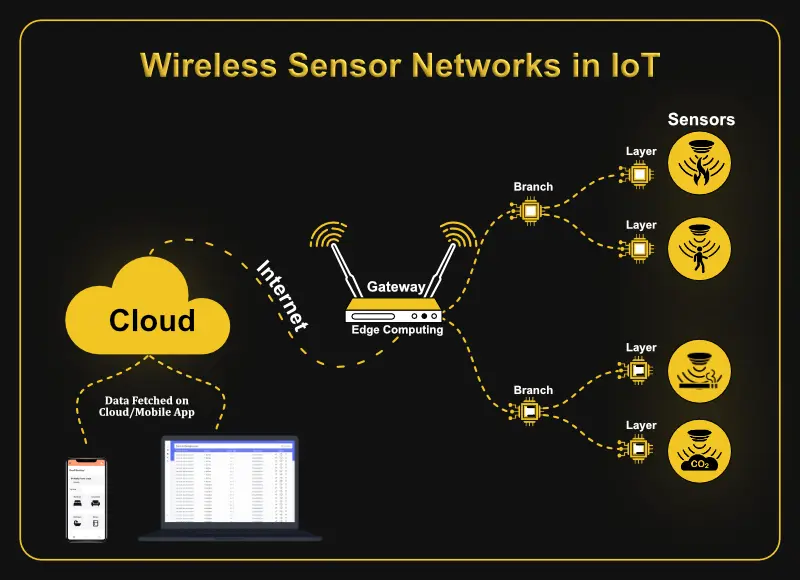
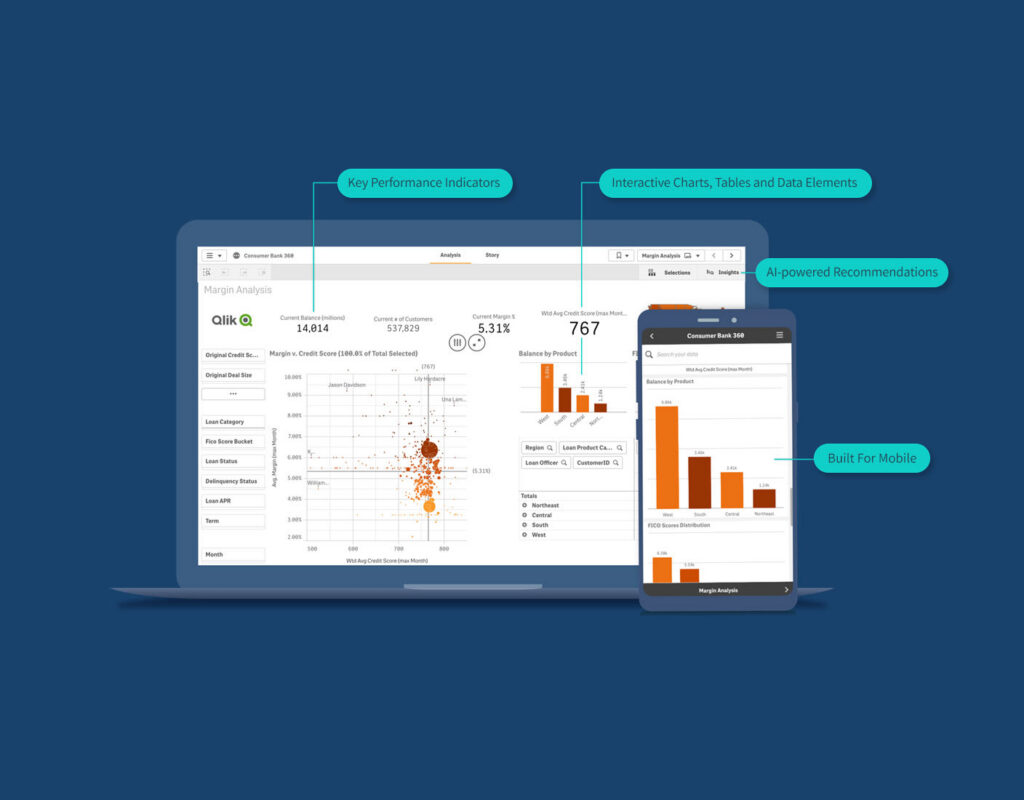
Our Virtual Edge Node Simulator creates an emulated environment for developers and testers to simulate real-world edge computing scenarios without needing physical hardware. This powerful tool mimics thousands of edge nodes (sensors, microcontrollers, gateways), each configured to send synthetic but realistic data streams based on custom logic, time intervals, or random noise patterns. The simulation supports multiple communication protocols (MQTT, HTTP, WebSockets), payload types (JSON, Protobuf, CBOR), and latency patterns. It allows DevOps teams to stress-test their data ingestion pipelines, validate cloud connectors, or run AI inference engines against near-live data at scale. Simulation environments can mirror production topologies, including failure injections (e.g., packet loss, jitter) and security breaches for resilience testing. Integration is possible with Grafana dashboards, Apache Kafka, Azure Event Hubs, or cloud-native observability platforms. Ideal for QA teams, AI model trainers, or IoT architects validating digital twins, edge orchestration logic, or fault-tolerant systems.

Sabiu –
The virtual edge node simulator has been invaluable for our testing needs. It allowed us to rigorously validate our algorithms and pipeline performance under a variety of realistic conditions. Setting up a test environment with thousands of nodes generating synthetic sensor data was previously a significant challenge, but this solution made it straightforward and efficient. We can now confidently deploy our solutions, knowing they have been thoroughly tested.
Alasan –
This virtual edge node simulator has been invaluable in accelerating our testing cycles. The ability to generate realistic synthetic sensor data at scale has allowed us to thoroughly validate our edge-cloud pipelines and benchmark algorithms with unprecedented efficiency. The sandbox environment is easy to use and has proven essential for ensuring the quality of our edge computing solutions.